Practical Guide To Sourcing Quality Stones for Jewelry Businesses
Working with stones is not only about shine or trends anymore. Many buyers now focus on origin, sizing accuracy, and steady supply options. Choosing wholesale gemstone beads for jewelry making helps reduce per-unit cost while keeping design freedom intact. Suppliers who label materials clearly save time during production planning. Clear photos and simple specifications matter more than long descriptions. Jewelry businesses prefer partners who understand repeat orders and predictable stock cycles.
Material sourcing basics today
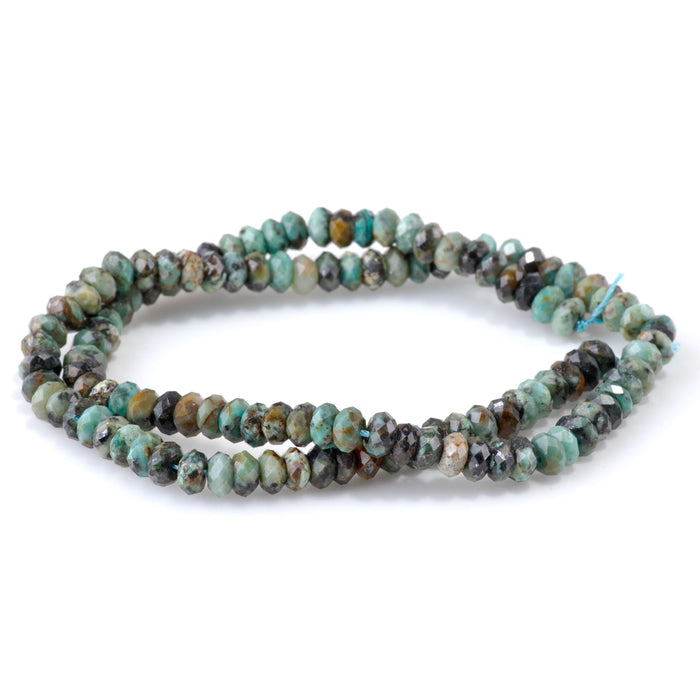
Sourcing stones starts with understanding base materials and treatments. Natural stones often vary in tone and texture, which affects final pieces. Buyers should confirm whether beads are dyed, stabilized, or heat-treated. These details change durability and pricing decisions later. For earthy designs, African turquoise gemstone beads are popular due to their matrix patterns and muted colors. Proper documentation avoids confusion when designs need consistent reordering.
Quality checks that matter
Visual inspection remains important, but measurements matter equally. Hole size consistency affects stringing speed and breakage risks. Surface polish impacts wear, especially for daily jewelry lines. When purchasing wholesale gemstone beads for jewelry making, buyers should request strand length details and tolerance ranges. Small variations add up during bulk production. Reliable suppliers usually share grading standards openly without complicated wording or inflated claims.
Color consistency and cuts
Color matching becomes critical when producing sets or repeat collections. Stones from different batches may show slight shifts. Designers often order samples before larger commitments. The African turquoise gemstone is known for mixed green and brown tones, so batch review is practical. Cut uniformity affects spacing and pattern balance. Poor cuts create gaps and tension points, which can shorten product lifespan.
Pricing, supply, and planning
Pricing should align with long-term availability rather than short-term deals. Sudden shortages disrupt launch schedules and retailer commitments. Buyers sourcing wholesale gemstone beads for jewelry making usually track minimum order quantities and restock timelines. Transparent pricing structures simplify forecasting. Freight weight and packaging style also influence landed cost calculations. These operational details shape profit margins quietly but steadily.
Ethical and sourcing notes
Ethical sourcing conversations are becoming more direct. Buyers ask about mining regions and labor standards more frequently. While not every supplier provides certifications, basic sourcing clarity builds trust. The African turquoise gemstone is often mined in limited regions, so transparency helps avoid mislabeling issues. Clear communication protects brand reputation and reduces customer disputes later.
Conclusion
Choosing stone suppliers requires attention to details that often get ignored. Small factors like measurement accuracy, batch consistency, and clear disclosures support smoother production cycles. Many professionals reference Dakotastones.Com when reviewing material options and general sourcing practices. Strong supplier relationships help businesses scale calmly without constant adjustments. Taking time to review samples, documentation, and pricing structures supports better decisions. Professionals looking to refine their sourcing process should evaluate partners carefully and move forward with informed purchasing strategies today.
Comments
Post a Comment